When exploring the construction of walls within residential and commercial buildings, one might wonder about the correlation between drywall installation and insulation. Often, the same teams are seen working on what appears to be related tasks. However, while drywallers specialize in installing drywall—known as gypsum or plasterboard—that provides a smooth surface for interiors, insulation is a separate component that plays a critical role in energy efficiency and temperature regulation inside a building.
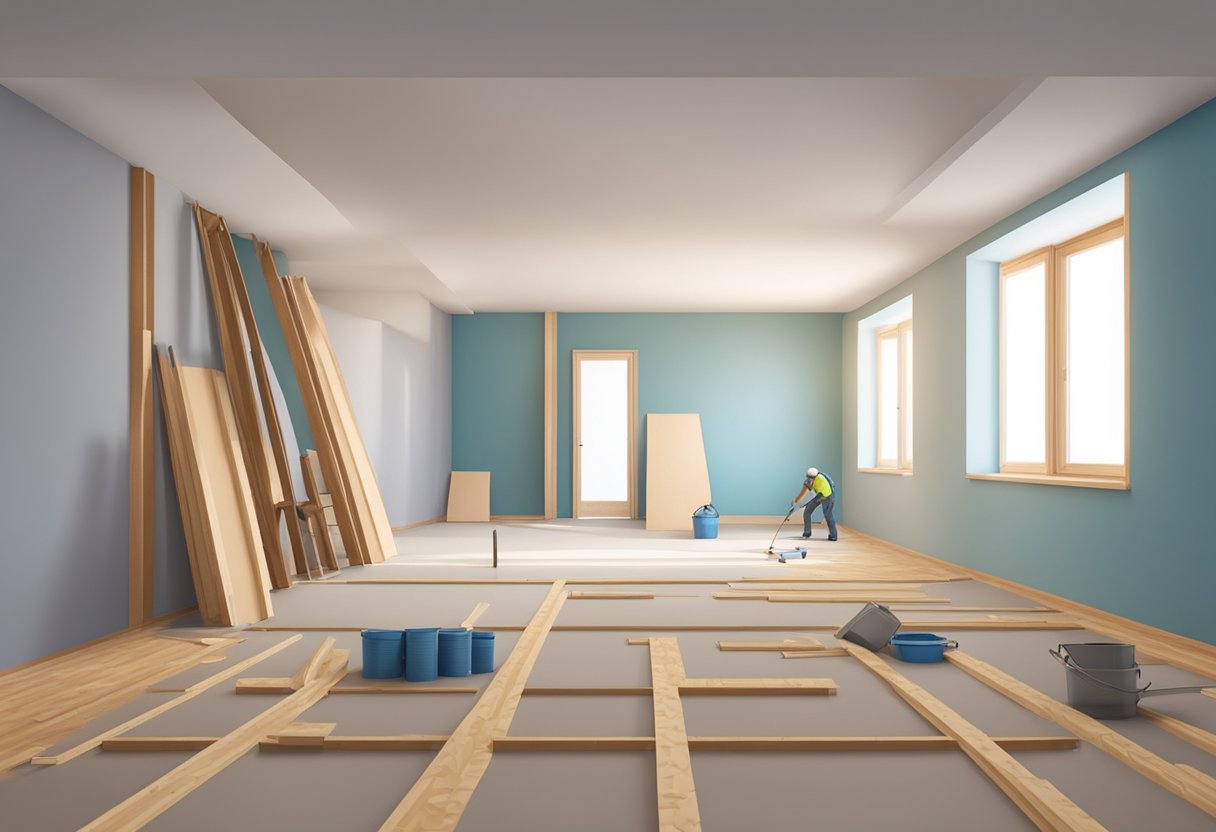
Insulation must be installed to create a thermal barrier. This can involve different materials and methods based on the specific needs of a space. While drywallers have the skillset to affix drywall panels to the framing of a structure, installing insulation may or may not fall within their purview. The process might differ based on whether the insulation is being fitted into new construction, retrofitted into existing walls, or if specialized insulation techniques are required. Safety and adherence to best practices are paramount in insulation installation, as improper application can lead to issues like moisture problems or reduced effectiveness.
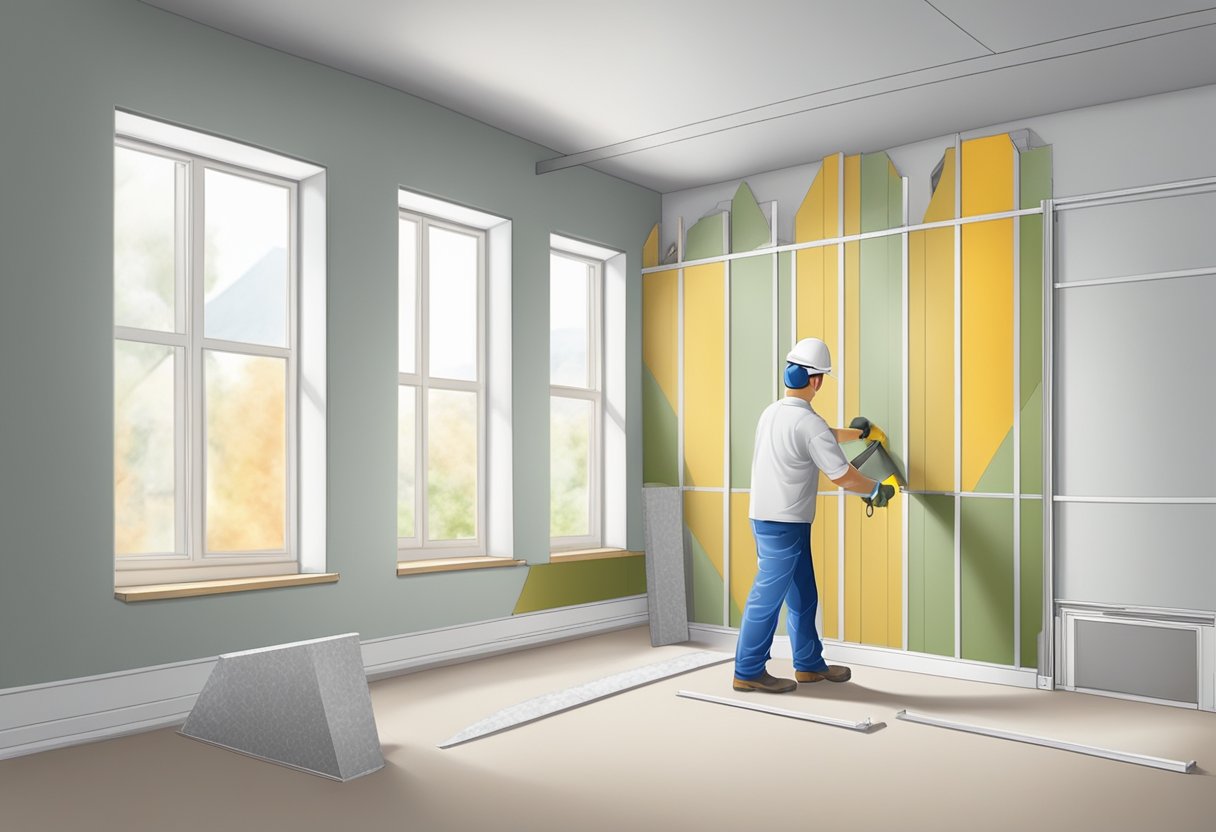
Before delving into the specifics of insulation, it's crucial to comprehend what insulation is and why it's significantly beneficial for buildings. The following subsections will cover the definition of insulation and its broad range of benefits.
Insulation is a material used to reduce heat flow between a building's interior and exterior. It achieves this by trapping air pockets and minimizing heat transfer through walls, attics, and floors. The effectiveness of insulation is measured in R-values; the higher the R-value, the greater its ability to resist heat flow. Common types of insulation materials include fiberglass, foam, and cellulose. The U.S. Department of Energy provides guidelines on recommended R-values based on regional climate conditions.
Installing insulation is highly advantageous due to its capacity to enhance energy efficiency within a building. This results in sustained energy savings as it reduces the demand for heating and cooling systems, leading to lower utility bills. Moreover, well-insulated buildings offer a consistent temperature throughout, increasing overall comfort. Effective insulation also contributes positively to the environment by decreasing energy consumption, which in turn reduces the carbon footprint of the household or building.
When considering drywall and insulation projects, one must understand the variety of insulation materials available and the methods used to install them. These materials and methods directly impact a space's energy efficiency and comfort.
Fiberglass Insulation: It consists typically of fine glass fibers and is available in batt and loose-fill forms. Batt insulation is sold in pre-cut panels, which can be fitted between studs, joists, and beams. Loose-fill fiberglass is pneumatically blown into cavities or attics, providing a tight seal.
Cellulose Insulation: Made from recycled paper that’s been treated for fire resistance, cellulose insulation is also offered as loose-fill. Its high R-value per inch makes it an effective insulator, hindering thermal transfer efficiency.
Spray Foam Insulation: As a spray foam, this material expands to fill cavities and create an airtight seal. It's optimal for irregularly shaped areas and around obstructions where traditional insulation types may fall short.
Batt Installation: Before placing this between framing members, workers should ensure that the space is clean and dry to prevent issues with mold or mildew. A cut-to-fit approach is necessary around obstacles to maintain the insulative properties.
Loose-Fill Techniques: Technicians blow or pour fiberglass or cellulose into spaces using specialized machines. These materials conform to the space, which is crucial for irregular or hard-to-reach areas. They achieve an effective insulation layer without compressing the material, which can reduce efficacy.
Spray Foam Application: This requires skilled professionals who mix and apply the product on-site. The insulation expands rapidly on application, creating a vapor barrier and sealing air leaks. It's effective for both thermal insulation and as an air barrier system.
When constructing or renovating a space, drywallers play a pivotal role in installing drywall and potentially adding insulation, ensuring the space is finished efficiently and effectively.
Drywallers may be tasked with installing insulation as part of their construction or renovation project work. This role typically involves placing insulation material between studs just before installing the drywall. Insulation is crucial for thermal efficiency, soundproofing, and often fire resistance. While some specialize only in drywall installation, others are skilled in both areas, offering a comprehensive service.
The specifics of whether a drywaller will install insulation can vary based on their skill set and the demands of the project.
In addition to insulating and installing drywall, drywallers frequently handle related tasks to ensure a wall is ready for finishing.
When a drywaller is equipped to handle insulation, it can streamline the process of construction by minimizing the number of subcontractors involved. This often results in a more coordinated effort during the finishing phase of a project, as it allows for better scheduling and fewer interruptions to the workflow, which can be particularly beneficial in tight timelines.
Installing insulation is a task that requires adherence to safety procedures and best practices to ensure both a successful installation and the safety of the individuals involved.
Wearing the appropriate personal protective equipment (PPE) is crucial when handling insulation materials. This PPE should include safety glasses or goggles to protect the eyes from dust and fibers. A dust mask or respirator is also important to prevent the inhalation of small particulates. Individuals should wear long-sleeve shirts, long pants, and closed-toed shoes to protect their skin from irritation caused by insulation materials. Lastly, gloves should be worn to protect the hands during installation.
Choosing between a DIY project and hiring an insulation contractor depends on experience, skill, and the scope of the project. Homeowners may undertake small insulation projects, but professionals typically recommend professional installation for more complex tasks.
Professionals ensure that the insulation fits properly and that they install vapor barriers in the correct orientation. This prevents issues like mold and condensation. They can also navigate building codes and maximize energy efficiency.
On the other hand, doing a project oneself can be more cost-effective and gratifying. However, you must thoroughly understand the installation process and safety precautions.


